When Snow Slows Everything Down
Ordinary Snow Stories That Refused to Melt
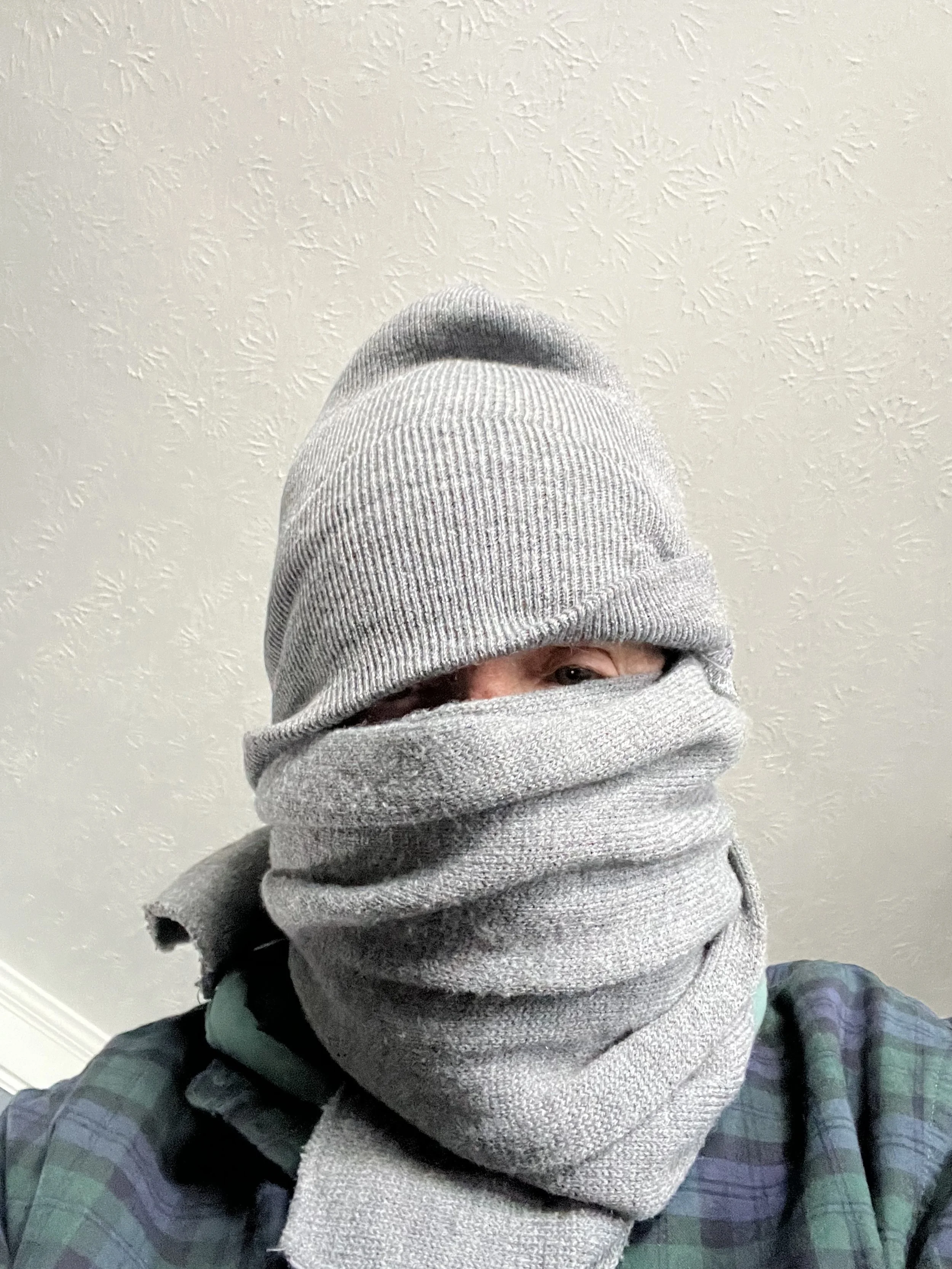
I’ve always been fascinated by the human brain—especially mine, which appears to have been manufactured without an off switch. Ideas, memories, half-finished thoughts, old conversations, and brand-new worries all run on a continuous loop. Even at three in the morning, it hums along faithfully, offering unsolicited reflections I didn’t request before going to bed.
One of the stranger things about memory is how neatly it files itself away. There are compartments for adventure, embarrassment, danger, near-death experiences, and—apparently—weather. Because the moment snow starts falling, my mind opens a dusty cabinet labeled Blizzards, and out they come without permission.
I would be remiss if I missed a story that began when I was about eleven or twelve years old—long before anyone worried much about child labor laws, and when parents believed their kids would survive quite nicely outside, far away from phones and video games. We had a four‑party phone line back then, and my parents were strong believers in fresh air. If I didn’t go outside willingly, they were more than happy to invent a chore.
While other kids probably had an altar set up in their bedrooms praying for school to be cancelled, I stayed awake hoping it would snow. Not because I loved missing school, but because snow meant opportunity—specifically, the chance to make money shoveling driveways. And I mean big money.
Even at that age, I had a respectable client base: my grandparents, aunts and uncles down the street, lawn‑mowing customers, and, if time allowed, a few favorites from my newspaper route. There were no set prices, just the generosity of regulars. My parents had only one rule—wait until the sun was up before knocking on doors.
I don’t remember stopping for lunch. I do remember hot chocolate, gloves drying in neighbors’ dryers, and kind reminders to warm up before heading back out. Looking back, it may have been one of those unwritten community rules—keep an eye on the neighbor kid who’s stubborn enough to work all day in the cold.
The pay felt unbelievable. Not pockets of change like my other jobs, but dollar bills that seemed to multiply by the hour. There were only a few good snow days each winter, but the anticipation—the weather reports, the conversations, the counting—was intoxicating. I still don’t know where the energy came from. The snow eventually melted, but something else stuck. The work ethic. Not for shoveling snow anymore, but for pursuing whatever dream came next.
Maybe that’s why, even now, snow never just falls—it arrives with stories.
Say the word blizzard in a room full of people and you’re almost guaranteed a story. Someone will lean back and say, “This reminds me of ’78…” or “You think this is bad? You should’ve seen…” And if they’re from a warmer state, they’ll contribute anyway—usually something about the one time it dipped below freezing and the whole town shut down.
Today, it’s snowing. Which means my brain is busy.
The weather service, doing its civic duty, has spent the past few days joyfully reminding Ohio—yes, the state people move to because they proudly claim they can experience all four seasons in a single month—that something dramatic is on the way. Schools close. Milk disappears from grocery shelves. Everyone suddenly becomes a meteorologist.
And with the snow comes memory.
When our kids were little, snow meant something entirely different. I was a schoolteacher then, which meant snow days weren’t an inconvenience—they were permission slips. No bells. No schedules. Just the quiet announcement that today would belong to us.
We’d bundle everyone up like we were preparing for an expedition—boots that never quite stayed dry, mittens clipped together, coats puffed out and stiff with newness. The sled came out of the garage, scraped along the concrete, and suddenly we had a destination: McDonald’s. Hot chocolate. About a mile away.
It wasn’t sidewalks we walked on, but snow‑covered roads—because in our minds, that’s what explorers did. You would’ve thought we were headed to Mount Rainier on a rescue mission, not crossing town for paper cups of cocoa with peeling lids. Every step mattered. Every breath came out white and important.
It’s funny how on ordinary days we resist the cold just to take out the trash or walk to the mailbox. But snow changes the rules. There’s magic in it—enough magic to ignore frozen fingers and numb toes, enough to make the journey feel worth it.
The reward wasn’t just the hot chocolate—it was the rosy cheeks, the laughter, the way everyone talked louder than necessary. And then the real ending: back home, coats piled by the door, a fire lit, wet boots lined up like trophies, and the quiet settling in that comes when you realize you’ve just made a memory you didn’t know you’d keep.
And to be a responsible storyteller, I suppose I have to mention the blizzard story—the one every Midwesterner eventually tells whether asked or not.
The Blizzard of ’78.
Yes, that one. The storm of the century. Or at least our century.
It officially went by names like The Great Blizzard of 1978 or The Cleveland Superbomb. Weather people still talk about it in reverent tones—snowdrifts reported up to twenty‑five feet, highways shut down, cars abandoned, the region paralyzed, and a federal disaster declared. It sounds terrifying now. Apocalyptic, even.
But memory has a funny way of sanding down the sharp edges.
What we remember… is the fun.
The storm really began for us when the interstate—just a mile from our house—closed completely. Somewhere along the way, word spread that stranded motorists needed places to stay. Travelers heading north from southern states had nowhere to go. And somehow, without much discussion, we said yes.
Our small home filled up with a husband, a wife, a young child—and suddenly, we had guests for three days.
These were the days before grocery stores were stripped bare in advance of every snowflake, so we became creative. We made meals out of whatever was left in cupboards and freezers. We stretched things. Shared things. Laughed a lot. The inconvenience became community.
And then there was Pastor Jim.
He didn’t stop by to check on us—he stopped by to recruit me. Since he and I were among the younger ones in the congregation (a title that ages poorly over time), he handed me my coat and told me to get in the car. We were going door to door, checking on the elderly—making sure furnaces were running, food was available, and no one had been forgotten under all that snow.
No sermon. No announcement. Just showing up.
That blizzard shut everything down—but somehow, it opened people up. Homes. Tables. Conversations. It turned neighbors into hosts, strangers into family, and a snowstorm into something we still smile about decades later.
We managed to make it to the grocery store—though “shopping” might be generous. The shelves were nearly bare, but anti‑freeze was plentiful, so naturally we cleared it out. And with the confidence of people who clearly remembered a different miracle, we headed home with our loaves and fishes—oops, wrong story—and began plowing through unplowed roads and driveways.
Somewhere along the way, we decided there was still room in the inn—yes, wrong story again—and invited a grandmother and her granddaughter to join our growing, makeshift blizzard party. Blankets appeared. Space was made.
And just so you know, it probably wasn’t coincidence—but divine intervention—that our Michigan houseguest turned out to be a plumber by trade. On the morning of the third day, Bill ventured out to the local hardware store, gathered supplies, and quietly fixed the long‑neglected plumbing issues we had accumulated over the years. To this day, I’m not sure who was happier—Bill, grateful for the chance to give back, or us, stunned by the gift of his talent.
School remained closed for days. I was a committed road runner back then, which meant snow wasn’t an obstacle—it was an invitation. I laced up and headed out, discovering a landscape transformed. My favorite memory was a stretch of road near the airport where fifteen‑foot walls of snow rose on both sides, creating a passageway that felt more like the Rockies than Ohio.
Which is probably why, even now, when snow starts falling and the world slows down just enough…the stories come rushing back.
A while back, our grandson Hayden wrote down some of his childhood memories from traveling with Grandma and Grandpa—words we saved without hesitation. Not because they were polished or profound, but because they were his. A snapshot from the other side of the story.
Another time we drove from Ohio to New York City. The roads were really pretty good all the way—until we got near the George Washington Bridge. There, we met up with the worst part of the blizzard. The snow was so high my grandma fell into a pile of snow when she was crossing the street! And believe it or not, a man was still playing his saxophone in Central Park while everyone else was sledding! We had a blast walking everywhere because even the taxi cabs were not running.
That’s how memories work, I suppose. They don’t organize themselves around dates or headlines or record‑breaking snowfall totals. They lodge themselves instead in small, human details—a fall into a snowbank, a saxophone echoing through Central Park, the strange joy of walking when nothing else moves.
This essay was never really about weather, or blizzards, or even snow. It’s about how ordinary moments slow us down just enough to become permanent. How the world, when briefly disrupted, makes room for connection, laughter, hospitality, and stories that quietly follow us for the rest of our lives.
And maybe that’s why, when the snow starts falling and everything softens, the brain—at least mine—doesn’t shut off at all.
It remembers.