One More Transformation
One More Transformation
This time not by choice, but by circumstance.
Different seasons. Different stages of life. Different obstacles. Different changes.
Each time we experience one of these transformations, there are both losses and wins. Along the way, often without realizing it, we let go of certain things—lifestyles, habits, friendships, dreams, and expectations. Slowly, through those experiences, we become the person we are today.
We often forget parts of the journey. We do not give ourselves enough credit for what we have endured, who helped us along the way, and how our lives and thinking continued to evolve. Yet there were things we simply had to go through in order to discover who we are, what matters most, and who we still hope to become.
Recently, about three weeks ago, I experienced one of those transformations.
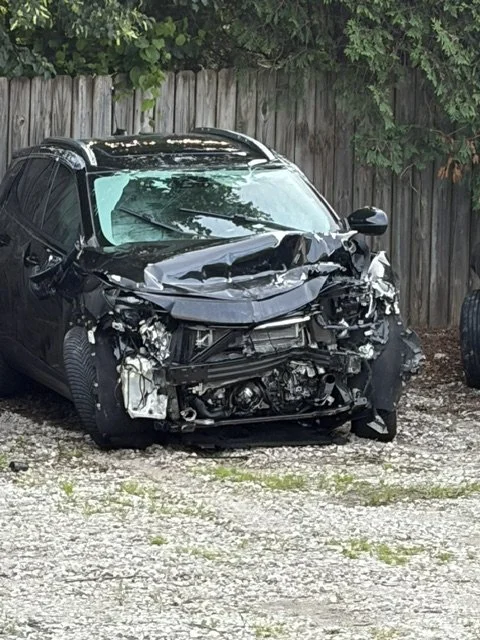
A head-on collision left my car totaled, knocked me unconscious, and sent me on a journey I never expected. Along the way, I discovered firsthand new definitions of shock, trauma, pain, and suffering. They were no longer words I heard or read about. They became realities I lived with twenty-four hours a day—long days and often sleepless nights.
And with all of that came a choice.
A choice to be angry, to blame, to point fingers—or a choice to be thankful.
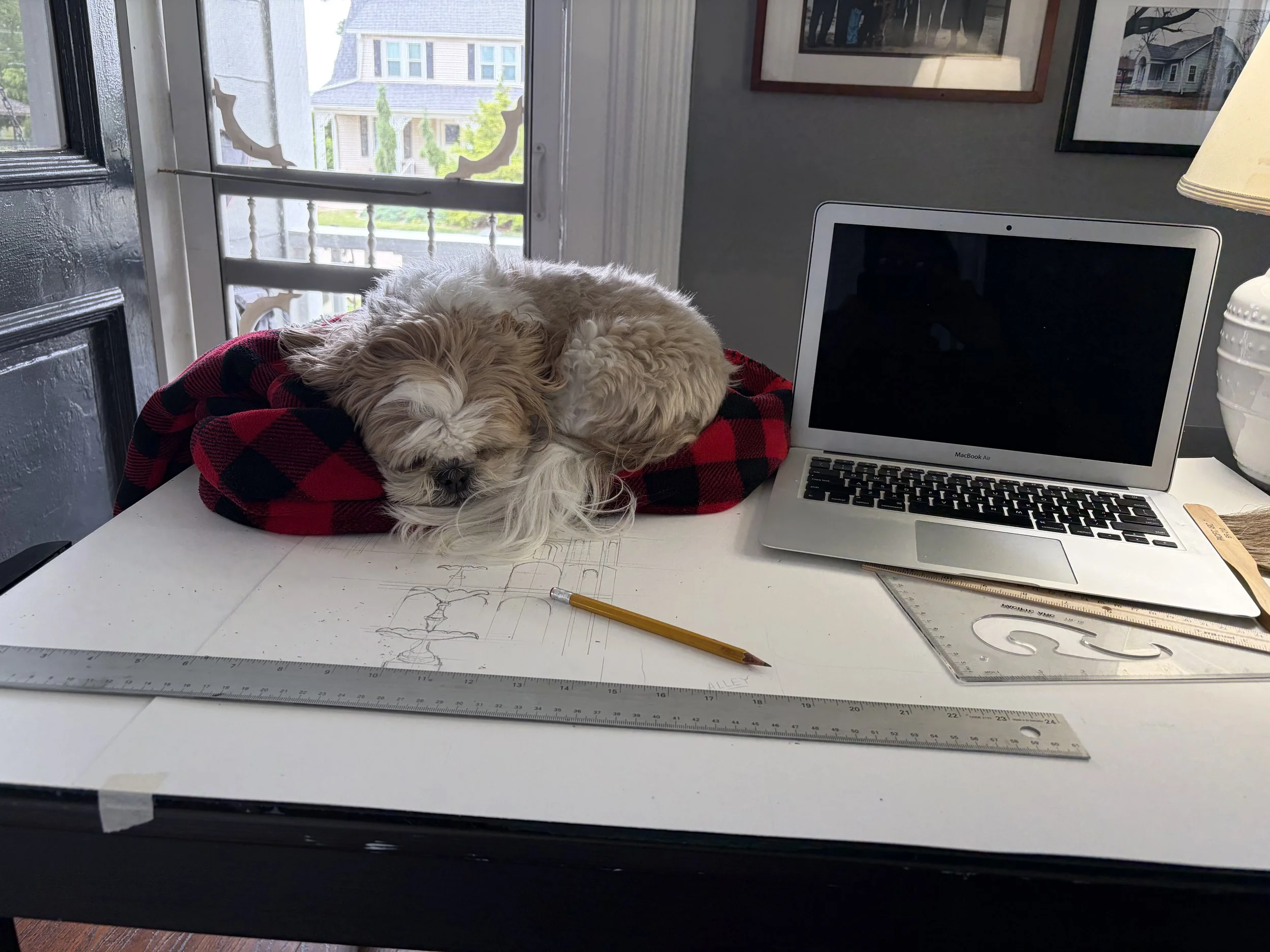
Thankful to be alive. Thankful for a wife and a dog by my side twenty-four hours a day. Thankful for family and friends. Thankful for memories of a life well lived.
And did I mention not dying?
I am sure my circumstances were unique – a five gallon bucket in the back of the car that somehow exploded, medics who had to gently wash off the paint amidst the blood and car overturned on the side of the road. I didn’t know it then, but I was in the midst of transforming one more time. This time not by choice but by circumstance.
The cost was real. The loss was real. A better version of myself would be required to return to what one might say ‘life as normal’. The day of the collision I was heading into a new season of life. My essays over the past year had led to new thinking, new revelations and a new season of life.
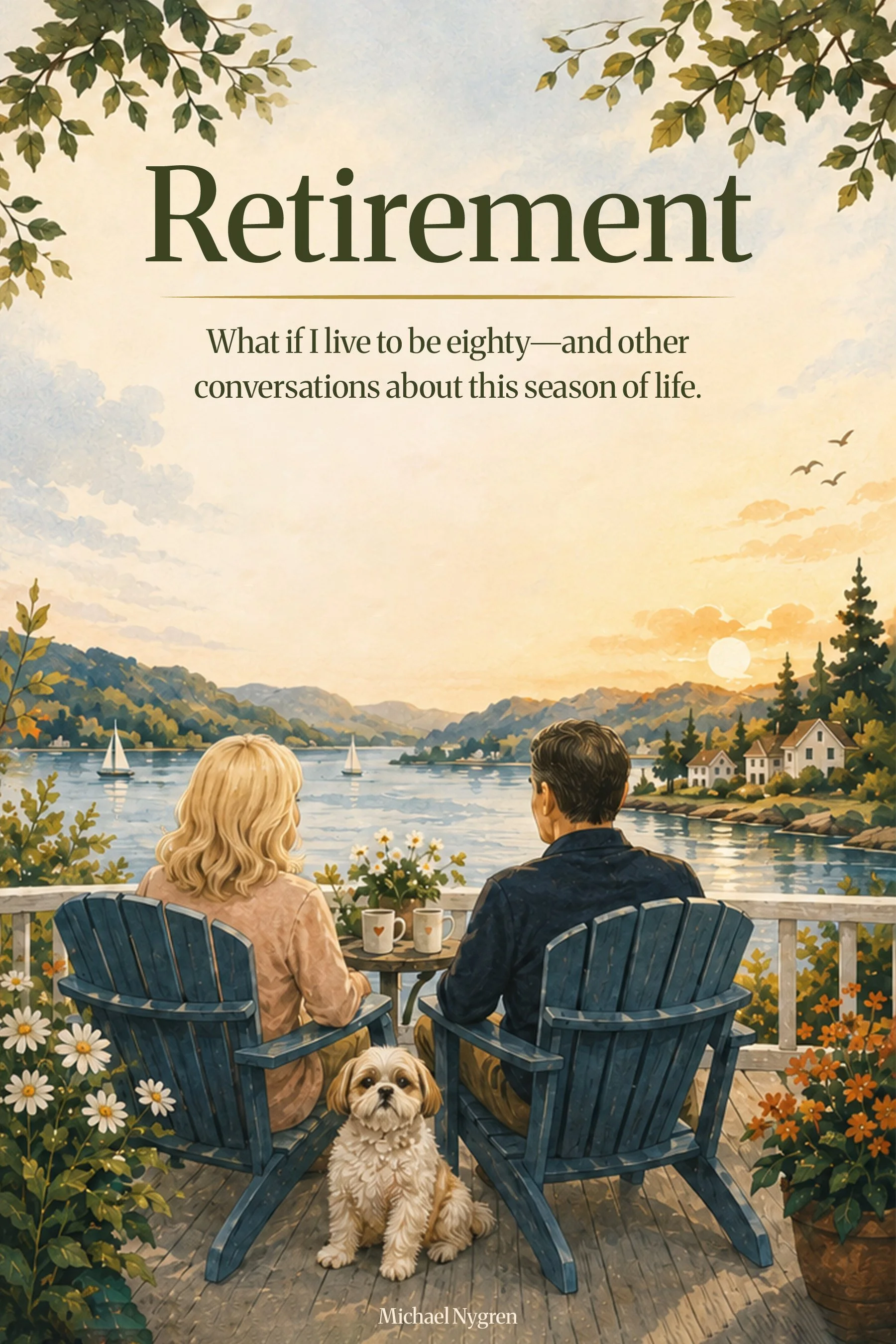
I had been writing essays about retirement – about how the season is often misrepresented. My vision was to celebrate this season of life, not just for those retired – but for those headed towards it, and more importantly how it impacts family, friends and communities.
And so the collision became a bleep on the chart—an unexpected turn of events, a new mindset required, and a renewed sense of thankfulness.
Was I willing to pay the price of transformation one more time?
Was I ready to take inventory of my own strengths and weaknesses?
Was I willing to experience change once again—this time becoming more complete, more capable, and perhaps more appreciative than any previous version of myself?
Would this season of retirement now be defined in a new way?
Or, bottom line, should I simply return to being me?
Of course, I already know transformation is worth it.
The real question is whether I am willing to make the leap—to jump in—or perhaps, with a few fractured bones, step in a little more carefully this time.
And perhaps writing this essay is the first step.
The good news is that life has been patiently waiting for me. Family. Friends. New conversations. New opportunities. New reasons to be thankful.
Maybe the next season has already begun.
Apparently I Flipped Over
I Didn’t Expect to Be Writing This Chapter...I thought my book was finished. Or maybe life just has a funny way of happening in retirement.
I was headed home to finish the final hours of uploading the manuscript for my retirement book. The car held a strange collection of ordinary things: groceries, bird seed, a five-gallon bucket of latex paint for the basement project, bread, milk, and eggs.
I had worked hard to protect the eggs because, as we all know, no one really needs cracked eggs on the kitchen floor. It felt like an ordinary Saturday. One more errand. One more project. One more quiet step toward finishing something meaningful.
And then...
The road. The curve. The radio. The weather. The silence.
And then, a head-on collision on a country road.
I don’t remember much—not even the impact. No screeching tires. No exploding glass. No sound of twisting metal. No dramatic movie scene. Nothing. Just absence.
And then...
A voice. Someone talking. A question. Someone asked if I was okay. A strange question considering I had no idea of my condition. Someone asked if I could move. Someone asked if I had a seatbelt on. Oddly enough, I remember thinking: Apparently, I did.
Then came the absurdity.
The paint. The former Mike the Painter covered in paint. Life interrupting the schedule. Not tragedy. Just strange, inconvenient, deeply human absurdity.
Apparently, my seventy-nine-year-old body had turned and flipped, leaving me on the passenger side in a pool of—not blood—but paint. On the way to the hospital, I realized I was headed somewhere with no memory of a crash or what I was doing in an ambulance.
Maybe a Saturday afternoon at Grandma’s. Maybe nowhere at all. But when I made it to the emergency room, the staff stood me up, helped me walk a few steps, and gently informed me I was a little too dirty to enter. So there I stood while they washed my bleeding hands and face with warm soapy, water, and unexpected kindness.
They quietly became my superheroes.
Later, I wondered if I might win some sort of award for the most unusual patient of the year. It wasn’t Halloween. And they knew it.
As I arrived at the next step of the intake journey, I found myself reflecting on earlier chapters of my retirement book—those moments where I wrote about retirement opening unexpected seasons of life.
New adventures. New people. New places. New experiences.
Sheila happened to be assigned as my nurse for the day among the many who entered my room. What had already happened we might call a mishap was quietly became a blessing. I have learned and taught for decades what Mother Teresa once said:
One person need not change the world. Instead, change it for one person.
Sheila calmed my soul and lifted my spirit. We talked about our lives. The past. The present. The future. They were brief conversations, as I wasn't her only patient.
But they were real. And comforting.
She returned when possible, each encounter a blessing – not knowing if she would return – but before leaving she offered a new and very important suggestion.
Since every story needs a title, and since. you spent much of my life painting houses, she decided I needed a new nickname:
Mike the Painted.
And laughing with a new line for my resume, I thought about the retirement manuscript waiting at home, I realized something unexpected.
Many of the ideas I had written about over the past year—new people, new adventures, new conversations, new possibilities—had somehow followed me into a hospital room.
Not because I was looking for them. And certainly not because I would have chosen this path.
But there they were.
Apparently, retirement still had a few introductions left to make.
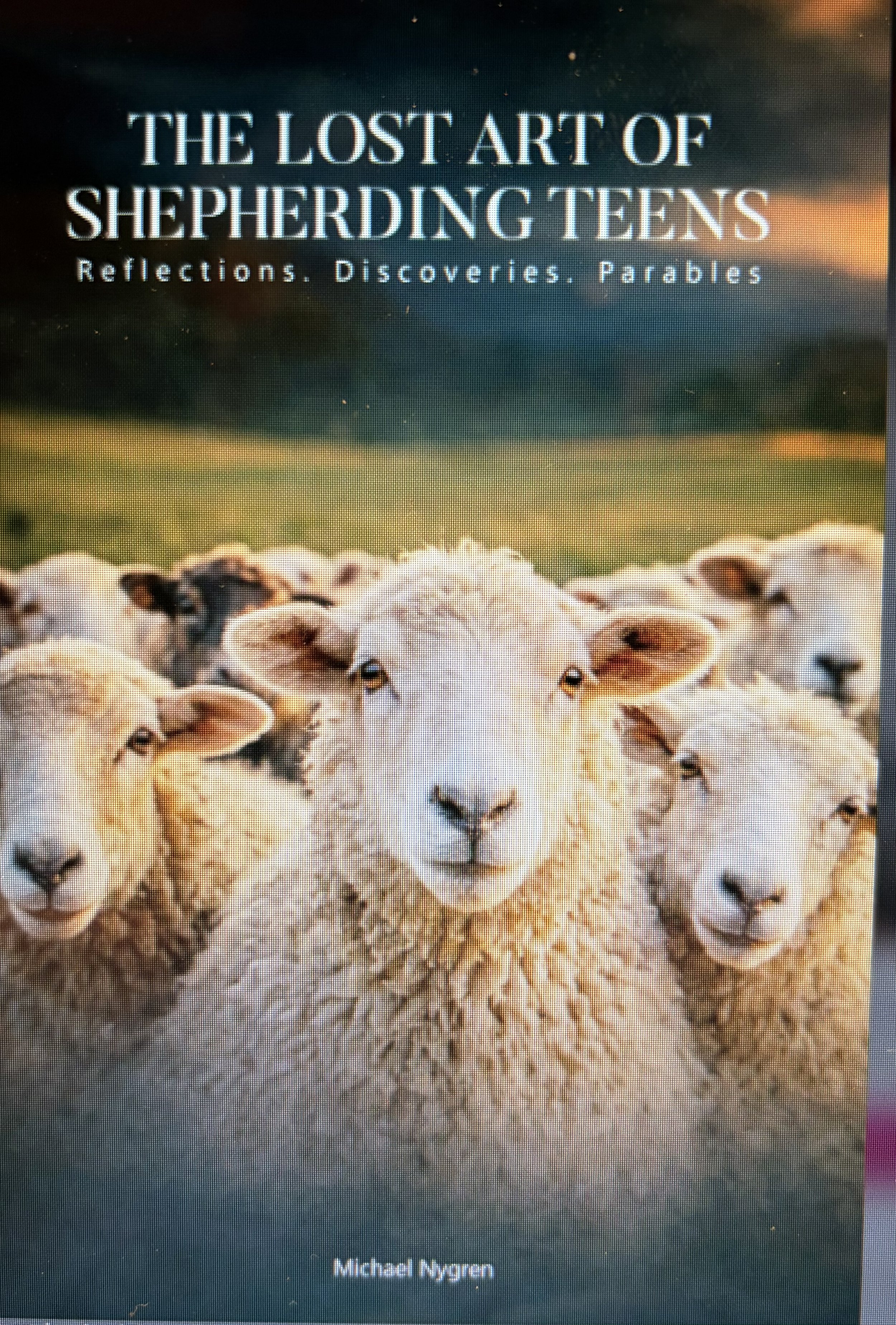
The Lost Art of Shepherding Teens
This book came from stillness… not ambition. (Which is good, because ambition usually gets me into trouble.)
What I saw was simple, but not easy—our families, churches, and communities are full of teens… but a little short on shepherds.
The Lost Art of Shepherding Teens isn’t a long read (you’re welcome), but it is direct.
Maybe it says what some of us have been feeling for a while.
FROM THE BACK COVER
Shepherding teens isn’t about flashy programs, attendance numbers, or fancy speeches. It’s about presence. Patience. Faith in action.
In The Lost Art of Shepherding Teens, Mike Nygren draws on over fifty years of experience guiding, mentoring, and learning from young people. Through stories of mission trips, local ministries, and quiet moments of courage, he shows how ordinary adults—and even teens themselves—can shape character, nurture resilience, and cultivate a faith that lasts.
From a teenager returning to her elementary school to lead, to a seventy-year-old mentor witnessing the next generation rise, these essays reveal that shepherding is a calling, not a job.
Step into a book that will inspire, challenge, and remind you: the future of the church—and the next generation—depends not on programs, but on hearts.
Come. See. Lead. Rebuild.
ORDER NOW!!!!
A Birthday Journey Across New York City That Defied All Logic
A Birthday Journey Across New York City That Defied All Logic
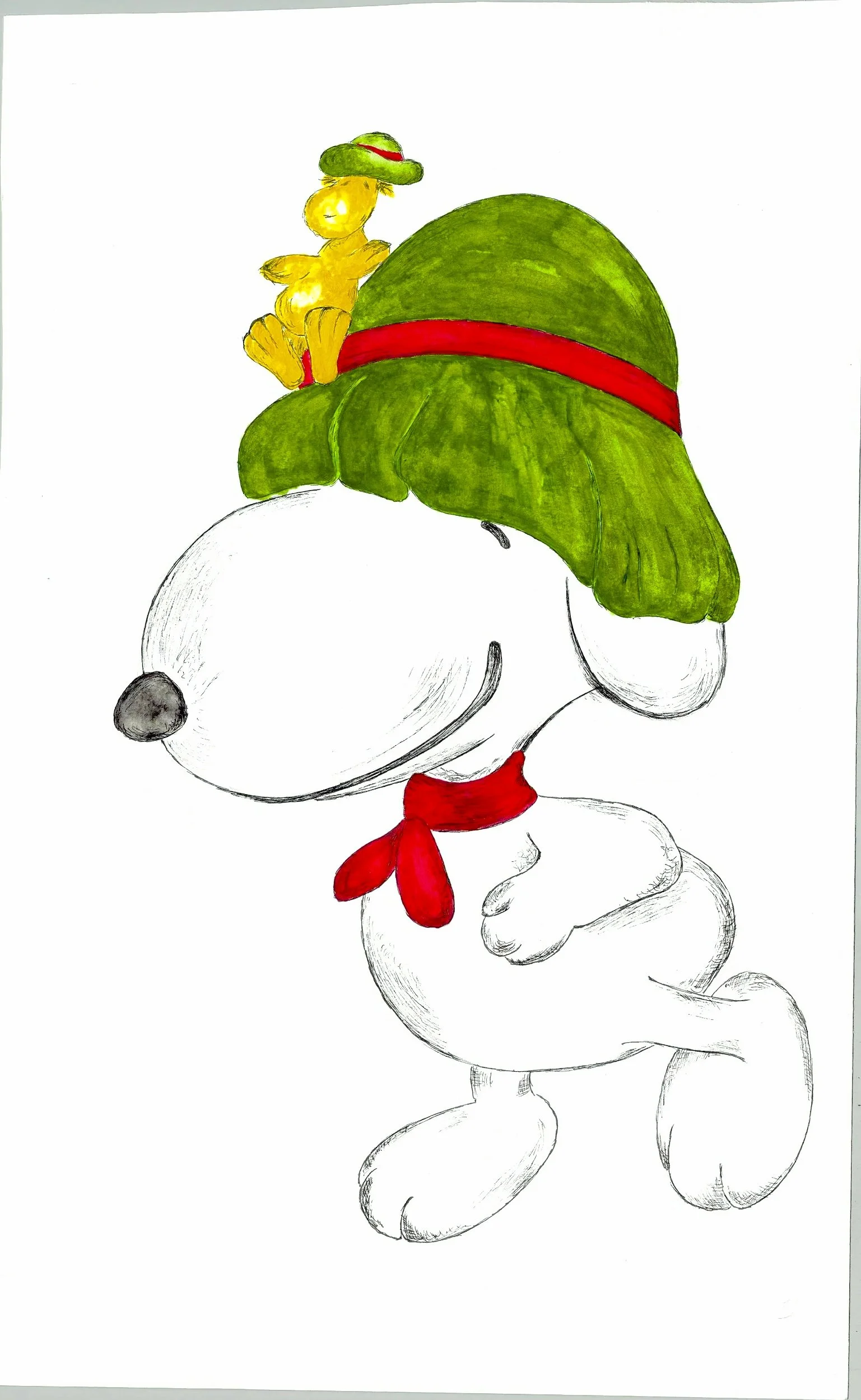
This essay is a blend of every part of me—my childhood love of drawing, the New York moments I collected with my grandmother, my hunger for adventure, my willingness to take a risk, and the Thanksgiving traditions that anchor our family.
We had all gathered in Manhattan to celebrate the holiday—and my birthday. The forecast promised cold and rain as Sherri and I stepped out of our hotel, flagged down a cab, and started what we believed would be a simple forty-block trip.
Sometimes the Road Less Traveled starts with something small—like a rising sense of fear over something that should have been simple. All we wanted was a traditional yellow cab with a meter, not an unmarked car with a vague promise of about twenty dollars. So when a real cab pulled up within minutes, we relaxed. For about ten seconds.
Then I noticed we were headed the wrong way.
I know that part of Manhattan by heart, and within a few blocks my internal compass started shouting. I finally asked the driver why we were going downtown when we should’ve been going uptown. He assured me—cheerfully—that his GPS said the destination was three miles.
Three miles? The entire island is about ten miles long, and our destination was half a mile from the hotel. That’s when the mental anguish kicked in.
He offered to let us out. He offered to follow our directions. But the language barrier was working against us, so in a moment of panic and politeness we said the fateful words:
Just listen to Siri.
And with that, every block felt wrong. The street names weren’t familiar, the landmarks refused to appear, and the city outside the window started to look less like Midtown and more like a scavenger hunt we hadn’t signed up for. By the time we realized we were nowhere heading toward Central Park—one place every taxi driver should be able to find—we knew this ride was turning into something entirely different than a routine cab trip.
Forty blocks later, the situation went from confusing to disastrous. That’s when we finally realized why the city felt so unfamiliar: every street around us was barricaded for the Thanksgiving Day Parade. Overnight crews had already sealed off entire avenues, and one by one, each turn we attempted was met with a uniformed arm waving us away. Every denial added another ten blocks to this increasingly absurd detour.
The driver kept glancing back at us in the mirror with a look that hovered somewhere between apology and total bewilderment. And at that point, we did what any sane people would do—cut our losses. Let us out here, we said, almost in unison.
We paid the ridiculous fare—at this point it felt like a ransom—but stepping onto the sidewalk felt like freedom. Fifteen blocks still separated us from our destination, but at least now we were the ones choosing the direction.
Manhattan has a population of about 1.6 million people, and I was fairly certain we were about to meet at least half of them—their children, their dogs, their strollers, and their full-throttle New York attitudes. As we headed toward our destination, we were denied once again. This time the officers blocking the streets offered warm smiles and polite apologies, but absolutely no grace. The barricades might as well have been stone walls.
Earlier that week I’d read an essay by Andy Rooney, who joked that New Yorkers don’t just like to win—they have to win. At everything. Growing up in Brooklyn, I knew that truth by heart. And as Sherri and I stood at yet another closed street, scanning for the slightest weakness in the parade barricades, we realized this was our moment. If New Yorkers had to win, then so did we. It was time for Mike and Sherri to put that mindset into action.
And so we pushed toward the narrow opening in the barricade, police posted on both sides, hoping our determination might somehow count as permission. No such luck. We were told—firmly—that you needed an invitation to enter the viewing area where the giant Thanksgiving Day Parade balloons had been inflated throughout the day and were now on display.
An invitation? After all we’d been through? My heart didn’t stop, but it certainly tripped. We hadn’t traveled all the way from Ohio to be turned away by a technicality the size of a postcard. No paper, no balloons—simple as that.
We stepped closer anyway, just to hear the bad news straight from the source. And that’s when it happened. A man in front of us cheerfully presented his pass to the officer. In the swirl of pushing, shoving, and good-natured New York chaos, the officer asked him, Who else is with you?
Before the poor man could even inhale, I shouted, We are!
Pressed against his back like long-lost cousins, we followed him through. Somehow, miraculously, the officer let us pass.
We had made it. Or at least we thought we had.
Because just a few yards later—same street, same poor man leading the way—we ran into yet another barricade. Another officer. Another checkpoint. A full repeat of the entire New York performance.
This time, when the woman asked, Who’s with you? the man turned, looked right at us, smiled, and said, They are.
If we’ve ever had a God moment in our lives, this was it. It felt as if the gates of heaven had opened just wide enough to let this determined, slightly worn-out couple stumble through—two people who believed, against all evidence, that the impossible just might be possible.
And there they were—balloons lined up in the street straight out of my childhood memories with Nana fifty years ago. Smokey the Bear led the parade, followed by new favorites: SpongeBob, the Pillsbury Doughboy, Snoopy—and some characters we didn’t even recognize.
Then, as if fate itself had guided us, we arrived at the one balloon I had been waiting for: Spider-Man. I had studied him endlessly in my art room in anticipation of this parade, imagining this very moment. To many, it might have seemed a ridiculous dream—especially for a 78-year-old on his birthday—but there he was, larger than life, hovering in the street – awaiting morning. Spiderman. What a gift.
We wandered the avenue, back and forth, stopping for pictures, then stopping again just to take it all in. It felt like a private backstage pass to Disney World, or a VIP tour of the Super Bowl—magical, improbable, unforgettable. And as we finally stepped away, still smiling, hand in hand, it was time to hail a cab, head to dinner, and join our family. The adventure had reached its perfect, improbable ending—another memory on the Road Less Traveled, proof that life, even at this age, could still surprise, delight, and reward the willing.
Historic Doorways On Main
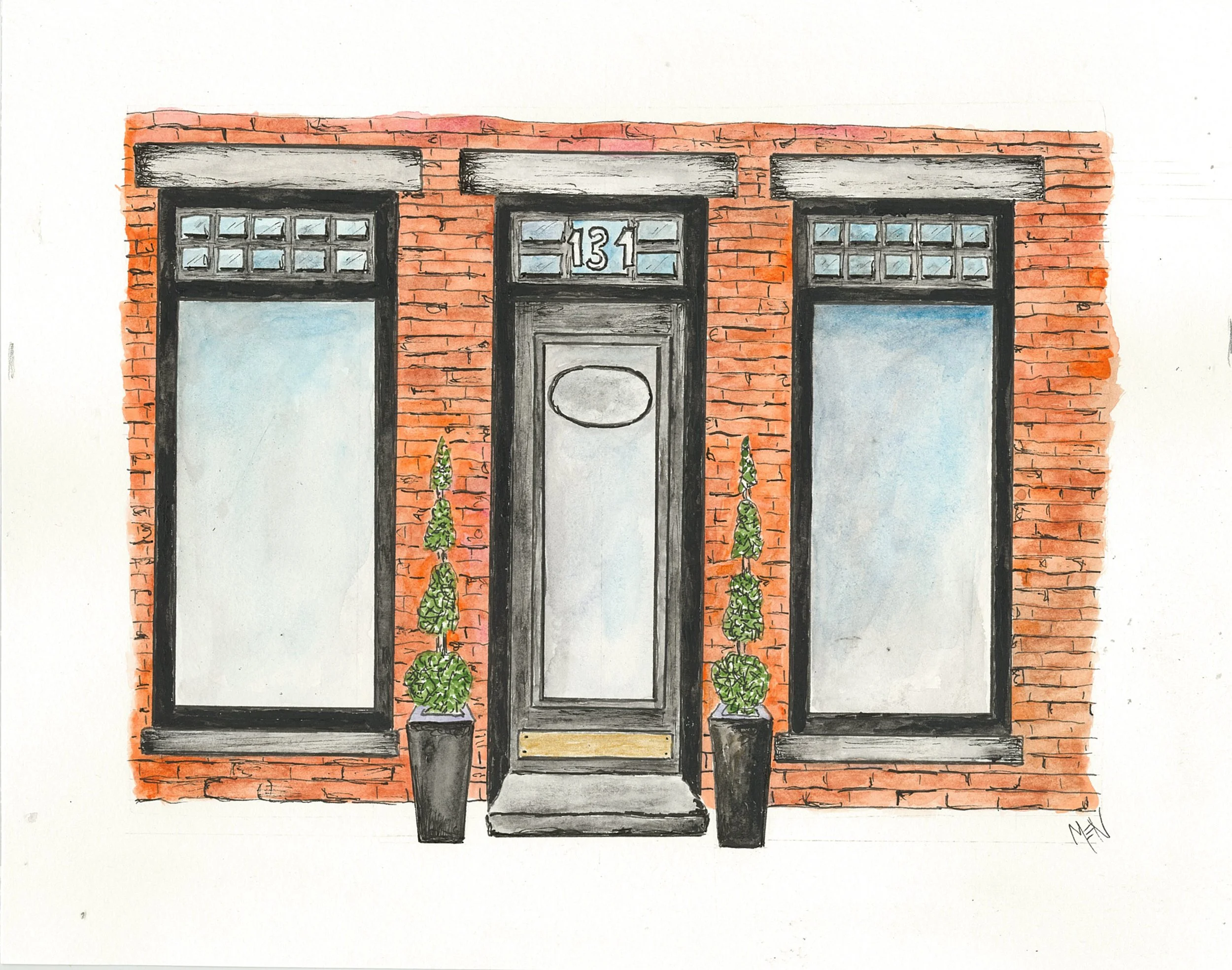
Historic Doorways of Main Street: A Sketch Series
This collection of nine doorway sketches captures the architectural character of my hometown’s Main Street—one drawing at a time. Each doorway tells a quiet story of design, function, and the people who built, owned, or passed through these spaces over the years. I chose not to include addresses or detailed descriptions, inviting viewers—especially those familiar with the community—to pause, look closer, and maybe notice what’s usually overlooked. These doors aren’t just entries into buildings—they're entries into our shared history. This series reflects my mission: bringing history to life through art, architecture, restoration, and storytelling—and reminding us that sometimes, the everyday structures around us are more extraordinary than we realize.